- 10721 Plano Rd, Suite 100, Dallas, TX 75238
- 214-506-8590

Rehab gets you moving again. Strength training builds the capacity to stay that way. Here is how to bridge the two without rushing it.

Strength training after injury is how you rebuild what the injury and the time off took away. Muscles around an injured joint lose strength when you use them less, and that weakness is one reason people get hurt again when they go back to sport. The goal is to restore strength step by step, with a plan, instead of waiting until it feels fine and jumping back in.
Usually earlier than people think, but not on your own. Light, controlled exercise often starts during rehab, as soon as your physical therapist or surgeon says the tissue can take it. Heavy lifting comes later. The right start depends on the injury, your health and, after surgery, your surgeon’s protocol.
Control first
Start with movements you can do without sharp pain or a limp, slowly and with good form.
Add load gradually
Change one thing at a time: weight, reps, sets or range of motion.
Build range and speed
Later stages build strength at longer muscle lengths and faster speeds, closer to what your sport asks.
Return to sport tasks
Running, jumping, cutting or punching come back in steps, not all at once.
| Stage | Goal | What it can look like |
|---|---|---|
|
Early rehab |
Calm symptoms, keep moving |
Gentle, controlled exercise within comfort |
|
Rebuild |
Restore strength |
Progressive loading, one variable at a time |
|
Return to training |
Strength at full range and speed |
Single leg work, heavier lifts, faster reps |
|
Return to sport |
Meet the demands of your sport |
Running, jumping, cutting or punching drills |
A simple rule: effort and mild soreness are normal. Sharp pain during an exercise, or pain and swelling that are worse the next day, mean the step was too big. Scale back and tell your therapist.
After a knee injury or knee surgery, the thigh and hip muscles often lose a lot of strength. Rebuilding them takes time and progression: from controlled exercises to single leg strength, then to jumping and changes of direction once your provider agrees.
One athlete came to Pulse Check fresh out of ACL surgery, very weak. In three months she regained strength and endurance and went back to college feeling prepared to return to the field. Every plan is different, and your surgeon and therapist set the timeline, not the calendar.
If heavy loads are not safe yet, blood flow restriction therapy lets you work on strength with light weights. For a hamstring injury, read how long a hamstring strain takes to heal.
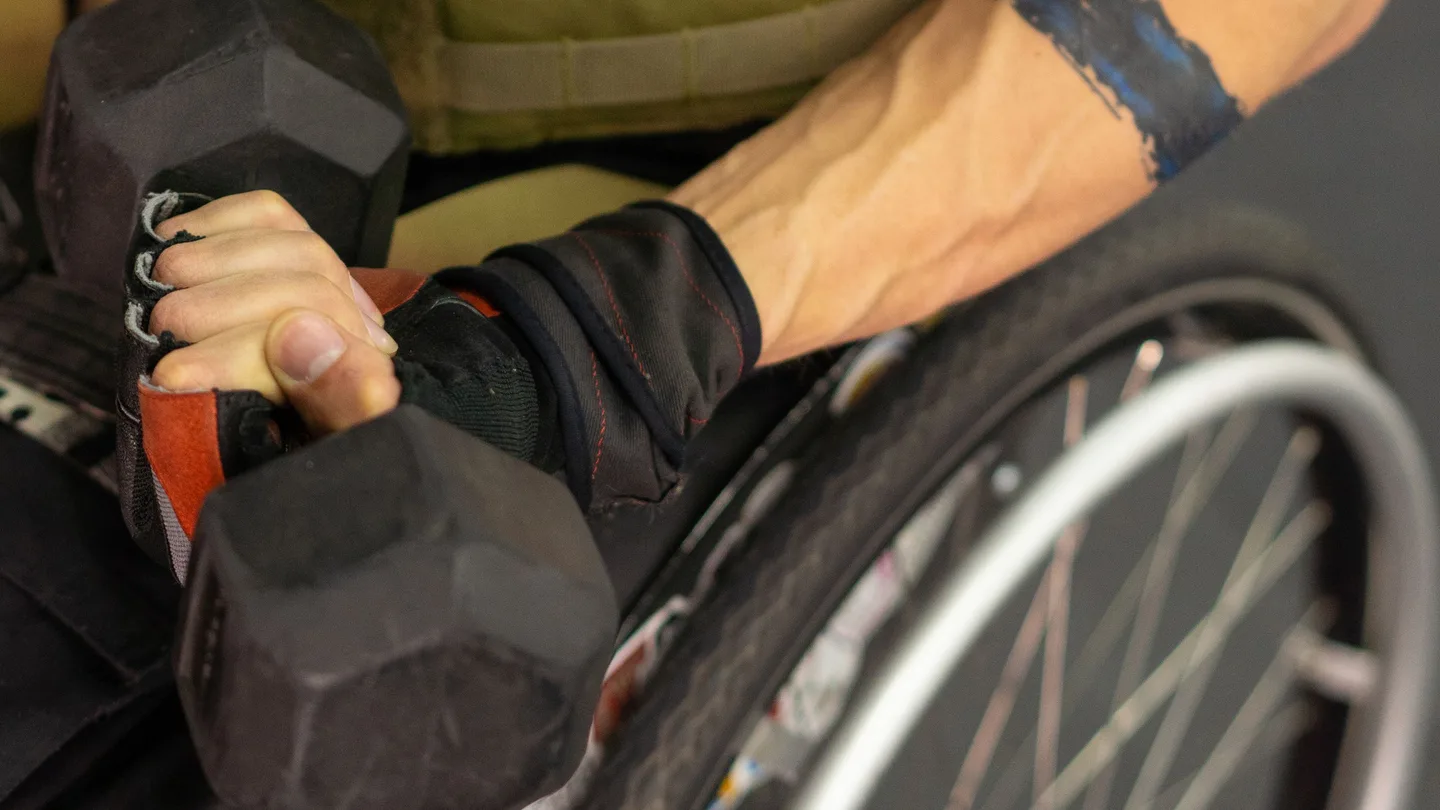
The same rules apply to the upper body. After a shoulder injury, rebuilding usually starts with control of the shoulder blade and rotator cuff before pressing or pulling heavy weight overhead. After a back injury, core and hip strength usually come back first, with bending and lifting from the floor added in steps. Results differ from person to person, so let your physical therapist set the order and the pace.
At Pulse Check, rehab and training happen under one roof. Physical therapy in Dallas treats the injury, and our Dallas strength and conditioning program picks up where rehab ends, coached by Dr. Stan Okeke, PT, DPT, CSCS. A plan of care runs up to 12 visits with a reevaluation after the sixth, so the move from rehab to training is planned instead of guessed. Wondering who should guide which part? Read personal trainer vs physical therapist.

Short answers to the questions we hear most.
It depends on the injury. Light, controlled exercise often starts during rehab, and heavier lifting comes once your physical therapist or surgeon agrees the tissue is ready.
Effort and mild soreness are normal. Sharp pain during the exercise, or pain and swelling that get worse the next day, mean you should scale back.
Exercises that rebuild the thigh, hamstring and hip muscles, progressed from controlled movements to single leg work and then to jumping, with your provider’s OK at each step.
Yes. Discharge usually means daily life feels fine. Training afterward builds the strength you need for sport and for staying healthy in it.
At Pulse Check Rehab and Performance, 10721 Plano Rd, Suite 100, Dallas, TX 75238, in Lake Highlands.
From recovery to performance, let’s find a plan that fits your goals. Visit Pulse Check in Dallas.