- 10721 Plano Rd, Suite 100, Dallas, TX 75238
- 214-506-8590

BFR lets you build strength with light loads while an injury heals. Here is how it works, who it is for and what a session at our Lake Highlands clinic looks like.
Blood flow restriction therapy, often called BFR, is one of the tools we use in physical therapy at Pulse Check in Dallas. You will also see it called blood flow restriction training or BFR training: it is the same method. It helps patients rebuild muscle and strength while the injured area is not ready for heavy loads. If you have been told to rest a knee, an ankle or a shoulder and you can feel the muscle around it getting weaker, BFR may be part of the answer.
During BFR, your physical therapist places an inflatable cuff around the top of your arm or leg. The cuff is set to partly limit the blood flowing out of the limb while you do light exercises. With less blood leaving the muscle, it fatigues faster, and your body responds in a way that is closer to lifting much heavier weight.
The result is that you can work on strength with loads that are gentle on healing tissue. The American Physical Therapy Association describes BFR as a way to gain strength with lighter loads during rehab, under the care of a trained clinician.
The exercises are not easy, even with light weight. That is the point.
BFR is commonly used for knee, ankle, hip and shoulder rehab, including recovery after surgery such as ACL reconstruction, once your surgeon and therapist agree it is appropriate. It is also useful for athletes in Dallas who want to protect a sore joint while keeping the muscles around it strong.
Because the cuff affects circulation, BFR is not safe for everyone. Your therapist will screen for conditions such as a history of blood clots, certain vascular or heart conditions, uncontrolled high blood pressure and pregnancy before using it. Northwestern Medicine notes the same kind of screening. If BFR is not right for you, there are other ways to build strength in your plan.
Screening
Dr. Stan reviews your health history and the injury to confirm BFR is safe for you.
Cuff setup
The cuff is placed on the upper arm or thigh and set to a pressure that fits your limb.
Light exercise
You do a few sets of simple movements, such as leg press, knee extensions or curls, with short rest.
Release and recovery
The cuff comes off between exercises and at the end of the set.
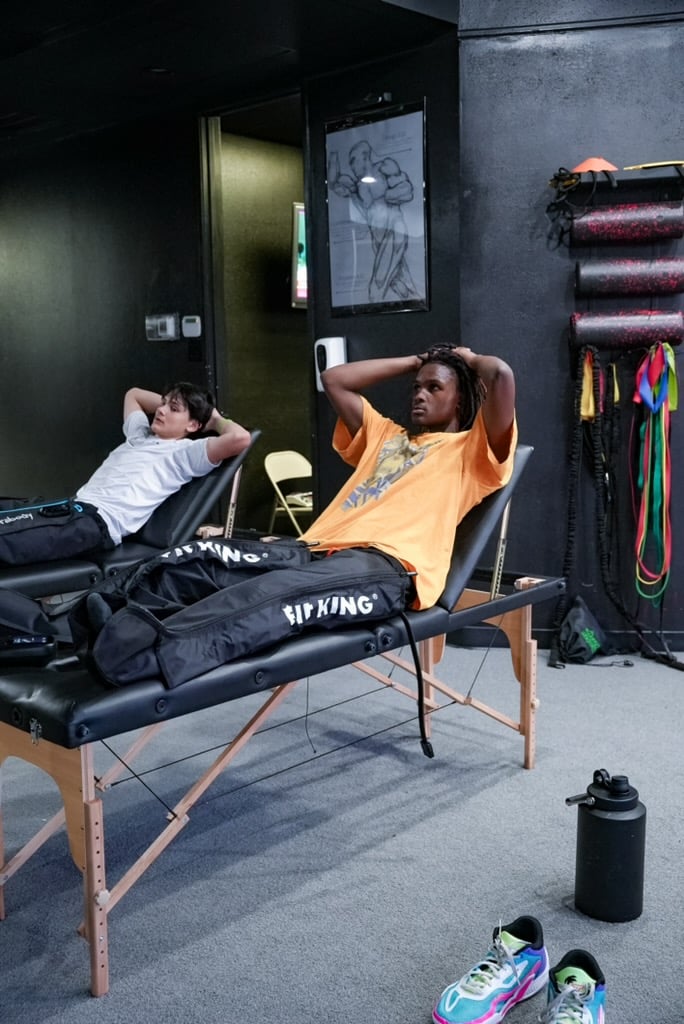
You will feel the muscle burn quickly and may feel tight or tingly in the limb during sets. Your therapist adjusts the pressure and the exercises if anything feels wrong. BFR is never used on its own: it is one part of a plan of care that can also include therapeutic exercise, manual therapy, dry needling and cupping.
At Pulse Check we treat the root cause, not just the sore spot. BFR helps rebuild strength, but the plan also looks at how you move, how you load the injured area and what your sport asks of you. A plan of care runs up to 12 visits, with a reevaluation after the 6th, so progress is measured instead of guessed.
If you are rebuilding after an injury or surgery and want to know if BFR fits, start with a physical therapy consultation call or learn more about physical therapy in Dallas at our Lake Highlands clinic. Talk to a licensed physical therapist before you try BFR on your own.

Short answers about BFR before your first session.
BFR is generally considered safe when a trained clinician screens you first and controls the cuff pressure. It is not used for people with certain conditions, such as a history of blood clots or some vascular problems.
You will feel a strong muscle burn and some tightness during sets, because the muscle tires quickly. It should not be sharp or painful. Your therapist adjusts the pressure if it is.
BFR is often used after knee surgery, including ACL reconstruction, once the surgeon and physical therapist agree it is appropriate for your stage of recovery.
Yes. Blood flow restriction training, BFR training and BFR therapy describe the same method. In rehab it is called therapy because a physical therapist screens you, sets the cuff pressure and picks the exercises.
Pulse Check Rehab and Performance offers BFR training as part of a physical therapy plan of care at 10721 Plano Rd, Suite 100, Dallas, TX 75238.
From recovery to performance, let’s find a plan that fits your goals. Visit Pulse Check in Dallas.