- 10721 Plano Rd, Suite 100, Dallas, TX 75238
- 214-506-8590

Cupping can ease muscle tension and help you move better, but it works best as one part of a plan. Here is what it can do, what it cannot and what a session feels like.
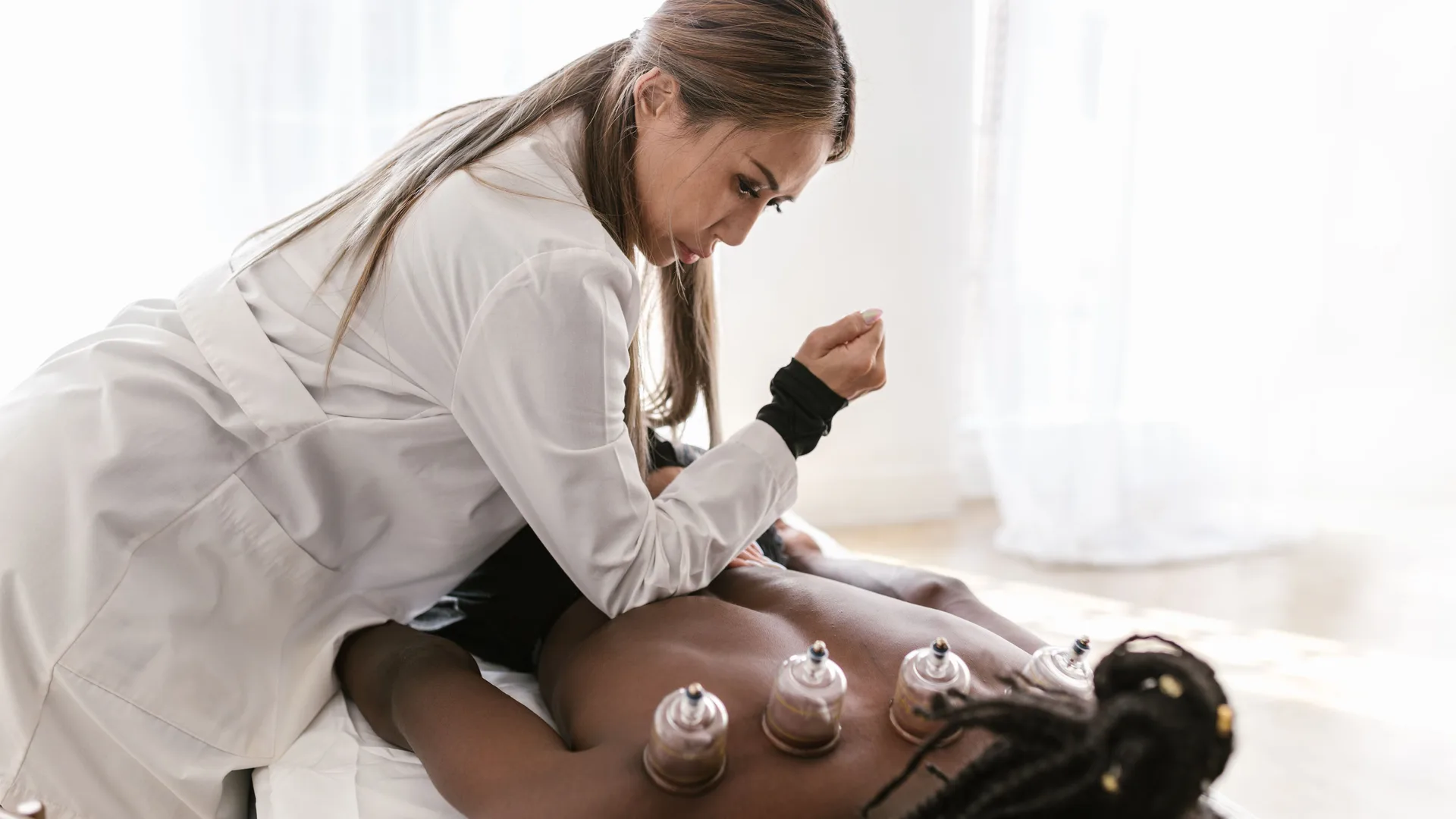
Cupping therapy uses cups placed on the skin to create suction. The suction lifts the skin and the tissue under it and draws blood to the area. If you are reading about cupping therapy benefits, here is the short answer: cupping can ease muscle tension and soreness, and many people feel looser after a session. It is not a cure, and it works best as one part of a plan built on exercise.
There are a few types. Dry cupping uses suction only. Moving cupping glides the cups over oiled skin. Wet cupping adds small cuts to the skin. Physical therapists who use cupping generally work with dry and moving cupping, alongside hands on treatment and exercise.
These are the benefits people report most, and what we see them used for in sports and rehab:
Be realistic about the evidence. The National Center for Complementary and Integrative Health says cupping may help reduce pain, but the evidence is not very strong and most of the research is of low quality. That is why we treat cupping as a helper inside a plan, not as the plan.
Cupping does not pull toxins out of your body, it does not make a weak muscle stronger and it will not change how you move on its own. If a tight spot keeps coming back, the cause is usually somewhere in how load moves through the body: a stiff hip, a weak glute, a training jump that came too fast. Finding that is the job of a physical therapist, and fixing it takes exercise.
A typical session in a physical therapy setting follows four steps:
Assessment first
Where it hurts, when it started and what makes it worse. Cupping is used only if it fits what the exam finds.
Cups on the area
You feel a strong pull and some tightness in the skin. It should not be painful.
Movement with the cups
Some cups glide along the muscle, or you move the joint while a cup stays in place.
Exercise right after
The window of easier movement is used for the exercises in your plan.
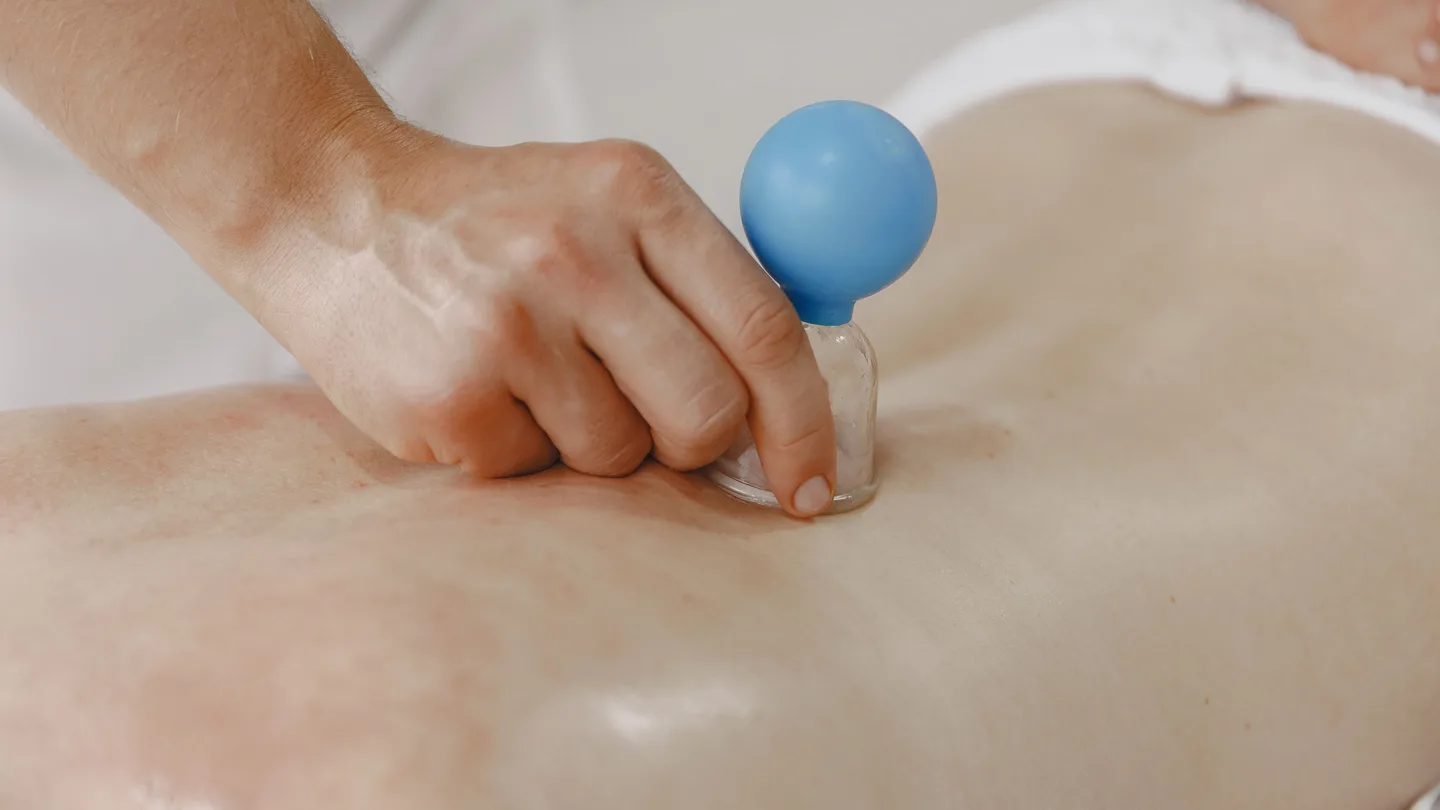
Afterward you may feel a little sore, a bit like after a deep massage. Keep moving that day and do your home exercises as planned.
The round marks are the most common side effect. They come from small blood vessels under the skin opening under the suction, and according to Cleveland Clinic they usually fade in a week or two. They look like bruises, but they are not an injury to the muscle.
Less common side effects include skin irritation, burns from heated cups, scars and infection, and cupping may worsen eczema or psoriasis in the treated area.
If any of these apply, tell your physical therapist before the session. There are other ways to treat a tight muscle.
At Pulse Check in Lake Highlands, cupping therapy in Dallas is available as part of a physical therapy plan of care or as a standalone session. Cupping without a plan of care is $50 (see pricing).
If pain is the reason you are booking, start with an evaluation instead. Pain that keeps coming back needs the root cause treated, not just the sore spot. A plan of care runs up to 12 visits with a reevaluation after the sixth, and cupping, dry needling and manual therapy fit inside it next to exercise.
If you train hard, recovery tools belong in your week too. Many of the people who come in for cupping also train in strength and conditioning or at our boxing gym, where tight shoulders and hips come with the work.

Short answers to the questions we hear most.
For muscle tension and short term pain relief, many people feel a difference. The research is limited and mostly low quality, so cupping works best as one part of a plan that includes exercise.
Usually one to two weeks. The marks come from small blood vessels under the skin and are not an injury to the muscle.
It should not. You feel a strong pull and some tightness in the skin, and you may be a little sore afterward.
It depends on why you use it. For an injury, your physical therapist decides inside your plan of care. For recovery, some athletes use it around their hardest training weeks.
At Pulse Check Rehab and Performance, 10721 Plano Rd, Suite 100, Dallas, TX 75238, in Lake Highlands, as part of a physical therapy plan of care or as a $50 standalone session.
From recovery to performance, let’s find a plan that fits your goals. Visit Pulse Check in Dallas.