- 10721 Plano Rd, Suite 100, Dallas, TX 75238
- 214-506-8590

Sports performance training builds the speed, power and strength your sport asks for. Here is what it includes, who it helps and how a good program is built.
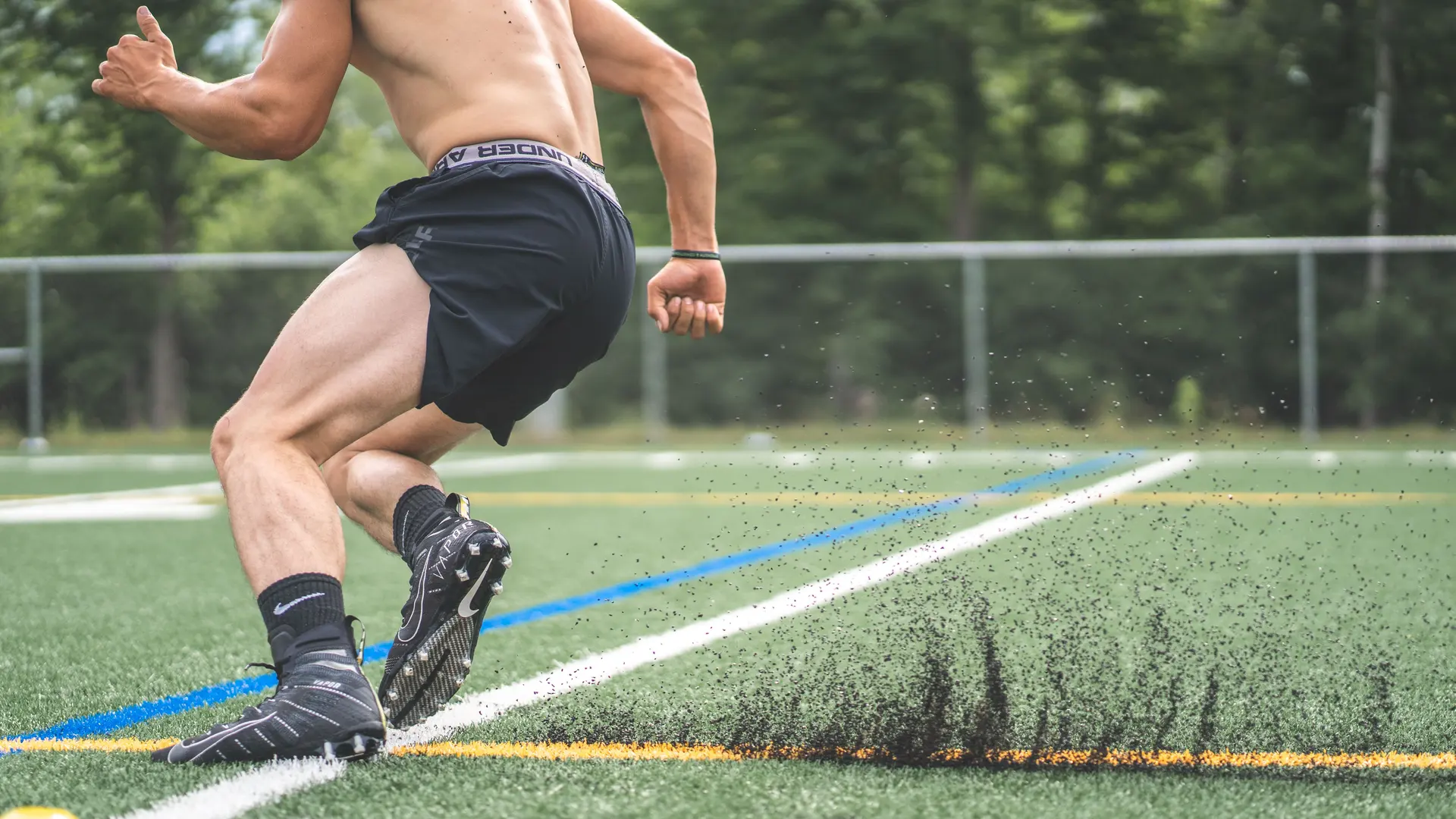
Sports performance training is training designed around what your sport actually asks of your body. A soccer player needs to accelerate, cut and repeat sprints. A volleyball player needs to jump and land well, again and again. Instead of general fitness, sports performance training builds those qualities on purpose, for your sport, your position and the part of the season you are in.
Performance is not only for elite athletes. Our programs serve middle school, high school and collegiate athletes, and they are open to athletes, weekend warriors and all individuals who want to move and compete better.
| Quality | What it means | Example |
|---|---|---|
|
Strength |
Force the muscles can produce |
Squats, hinges, presses and pulls |
|
Power |
Strength produced fast |
Jumps, throws and explosive lifts |
|
Speed |
Acceleration and top speed |
Sprint starts and short sprints |
|
Agility |
Change of direction and reaction |
Cutting drills and reactive games |
|
Conditioning |
Repeating efforts with short rest |
Intervals matched to game rhythm |
A good program also includes prehab: the corrective and strength work around knees, ankles, hips and shoulders that are often injured in your sport.
Assessment
Movement, strength, injury history and the demands of the sport and position.
Foundation
Technique and strength in the basic movements before speed and load go up.
Power and speed
Jumps, sprints and agility drills once the foundation holds.
Season planning
More volume in the off season, less in season, so athletes stay fresh for games.
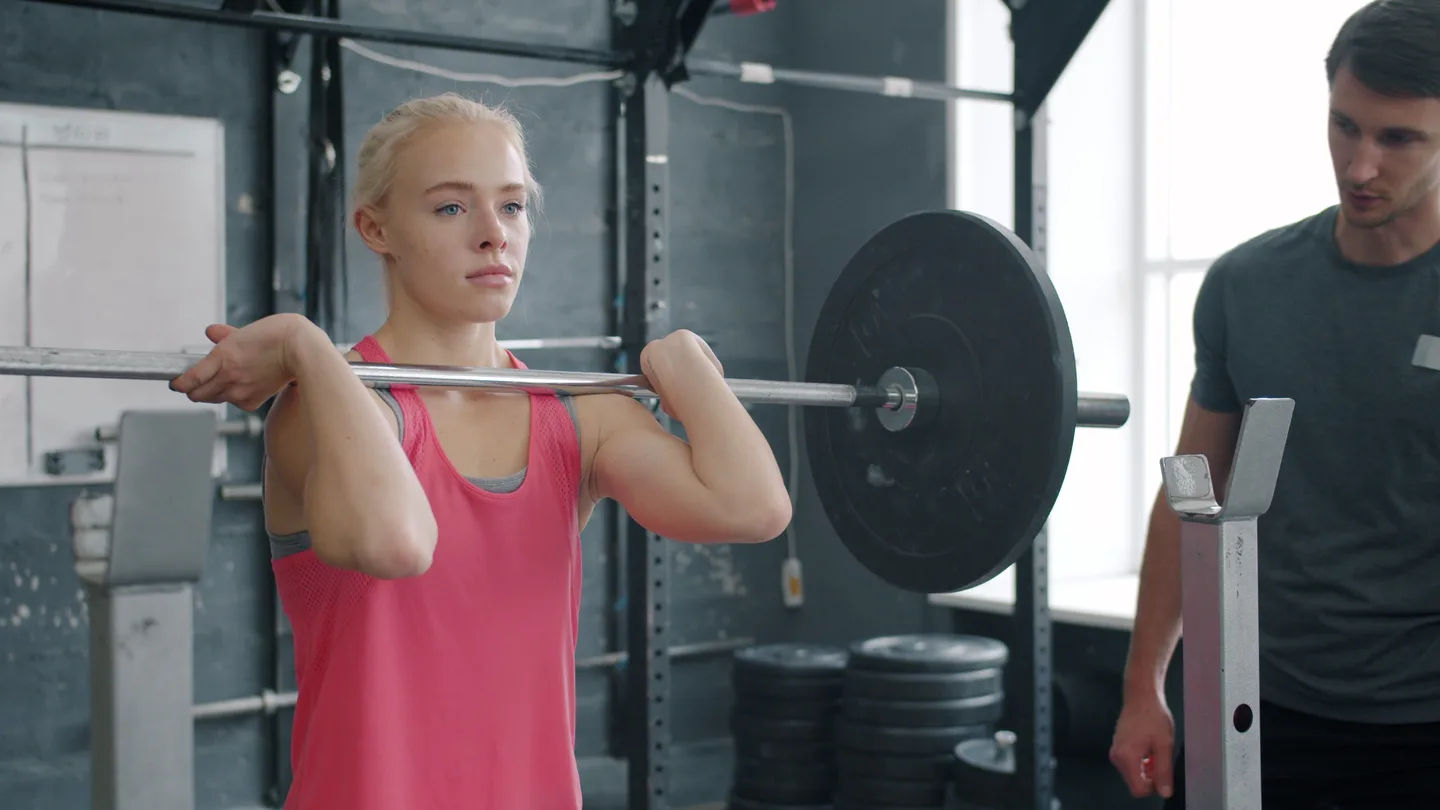
Strength training is safe and useful for young athletes when it is supervised and matched to their age and skill. The National Strength and Conditioning Association position statement on youth resistance training notes that school aged youth should get 60 minutes or more of moderate to vigorous physical activity daily, and that resistance training can offer unique benefits for children and adolescents when it is appropriately prescribed and supervised.
For young athletes the order matters: movement quality and coordination first, then strength, then speed and power. Our Youth Training Program works with middle school, high school and collegiate athletes, and summer programs are available. Summer camp sports have included football, basketball, soccer, track, volleyball, softball, BJJ and MMA.
While he played sports in college, Dr. Stan Okeke was treated by a sports physical therapist who worked with NFL and NBA teams, and that is what led him to the field. Today he is a doctor of physical therapy and a certified strength and conditioning specialist with more than 10 years of strength and conditioning coaching before he became a physical therapist. That mix means an old ankle sprain or a sore shoulder is part of the plan instead of a reason to sit out. Read how training and rehab connect in strength training after injury.
See our sports performance training in Dallas and the Youth Training Program in Lake Highlands. One on one and semi private sessions are also part of our Dallas strength and conditioning program. Strength Performance Training packages include sports performance training and start at $300 for 6 sessions, with every option on our pricing page.

Short answers to the questions we hear most.
Training built around the demands of a sport, a position and a season. It combines strength, power, speed, agility and conditioning with injury prevention work.
Young athletes can start with supervised, age appropriate training that puts movement quality first. Our Youth Training Program works with middle school, high school and collegiate athletes.
It depends on the season. Athletes usually train more often in the off season and less during the season, so they stay fresh for games.
No. Performance is for anyone who plays a sport, from youth athletes to weekend warriors.
At Pulse Check Rehab and Performance, 10721 Plano Rd, Suite 100, Dallas, TX 75238, in Lake Highlands.
From recovery to performance, let’s find a plan that fits your goals. Visit Pulse Check in Dallas.