- 10721 Plano Rd, Suite 100, Dallas, TX 75238
- 214-506-8590

Dry needling can calm a tight, painful muscle and open a window to move better. Here is how it works, what it feels like and where it fits in rehab.
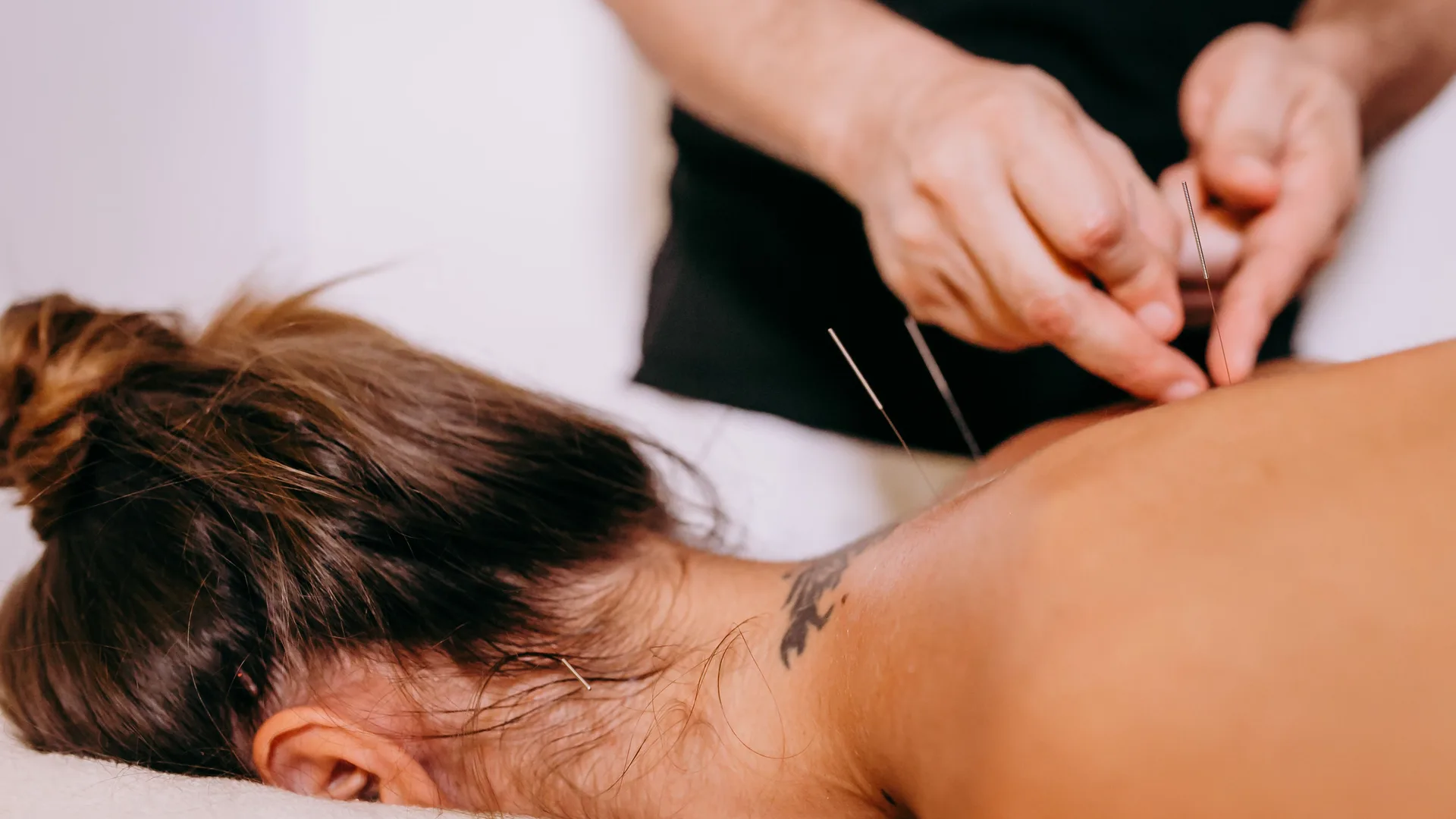
Dry needling is a treatment where a thin, solid needle is placed into a tight band in a muscle, called a trigger point. Nothing is injected, which is why it is called dry. If you are reading about dry needling benefits, here is the short version: it can reduce muscle pain and tightness and help you move better, and it works best as part of a physical therapy plan that includes exercise.
Trigger points are knotted, tender spots in a muscle. They can hurt right where they are, or send pain to another area, which is called referred pain. That is one reason a sore neck or a tight hip is not always the whole story.
They use similar needles, and that is about where the similarity ends. Acupuncture comes from traditional Chinese medicine and is done by licensed acupuncturists. Dry needling is based on a Western exam of pain patterns, posture, movement and orthopedic tests, and it targets the muscle to reduce pain and improve movement. It is usually one part of a wider physical therapy plan.
Exam first
Where it hurts, how you move and what makes it worse. Needling is used only if it fits what the exam finds.
Finding the trigger point
The spot is often tender when pressed. Needles are sterile, single use and very thin.
The twitch
When the needle reaches the trigger point, the muscle may twitch for a second. It can feel like a deep cramp, then it lets go.
Movement after
Exercise follows while the area is calmer, so the change carries into how you move.
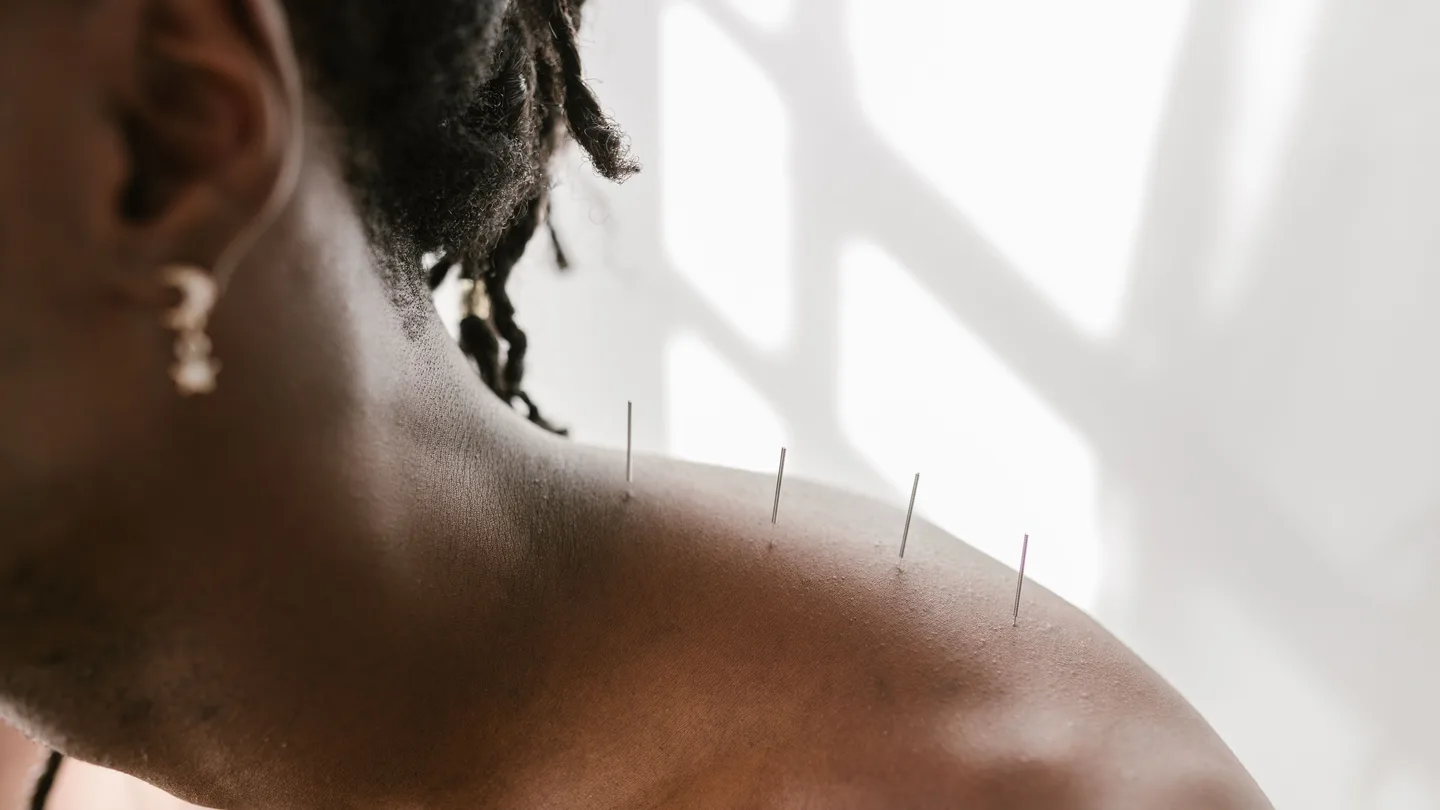
The needling part is short. The bigger part of the visit is the exam and the exercise around it.
The most common side effect is soreness during and after treatment, which can last 24 to 36 hours. Small bruises near the needle site can last up to a week. Keep moving, stretch gently and stay hydrated. Serious side effects are extremely rare. If you ever feel short of breath after needling around the chest or upper back, call 911.
Dry needling is not recommended for children under 12.
At Pulse Check in Lake Highlands, dry needling in Dallas is offered as part of a physical therapy plan of care or as a standalone session. A session without a plan of care is $100 (see pricing).
For pain that keeps coming back, we start with an evaluation and treat the root cause, not just the sore spot. A plan of care runs up to 12 visits with a reevaluation after the sixth, and dry needling sits next to cupping, manual therapy and exercise inside it. Training while you heal? You can keep working in strength and conditioning with the same team.

Short answers to the questions we hear most.
You may feel a quick prick, then a deep cramp or twitch when the needle reaches the trigger point. Soreness afterward is common and usually settles in a day or two.
Some people feel better right away, others need more than one session. Results last longer when the session is followed by exercise that addresses why the muscle got tight in the first place.
No. The needles are similar, but dry needling is based on a Western exam of muscles and movement and targets trigger points.
At Pulse Check, a dry needling session without a plan of care is $100. Inside a plan of care, the price depends on the treatments in your plan.
At Pulse Check Rehab and Performance, 10721 Plano Rd, Suite 100, Dallas, TX 75238, in Lake Highlands.
From recovery to performance, let’s find a plan that fits your goals. Visit Pulse Check in Dallas.